
Fans of Trailer Park Boys were definitely confused the first time Ricky, Julian, and Bubbles suddenly showed up as cartoons. One minute, the boys were running greasy schemes in Sunnyvale like usual, and the next minute, the entire show turned into full-blown animated chaos on Netflix.
Initially, the shift to animation might have seemed random. Still, it was driven by key reasons that highlight its importance in the show’s evolution, helping readers understand the strategic decision behind the change.

The biggest reason was the Season 12 finale. The live-action show wrapped up with the boys consuming a massive amount of psychedelic mushrooms before getting arrested. The animated series basically continues from that exact moment. In the show’s universe, the characters are still heavily hallucinating, which gave the creators a funny in-story excuse to turn everybody into cartoons.
That setup opened the door to crazier stories, inspiring fans to get excited about the show’s newfound creative freedom and unpredictable direction.
The Death of John Dunsworth Changed Everything
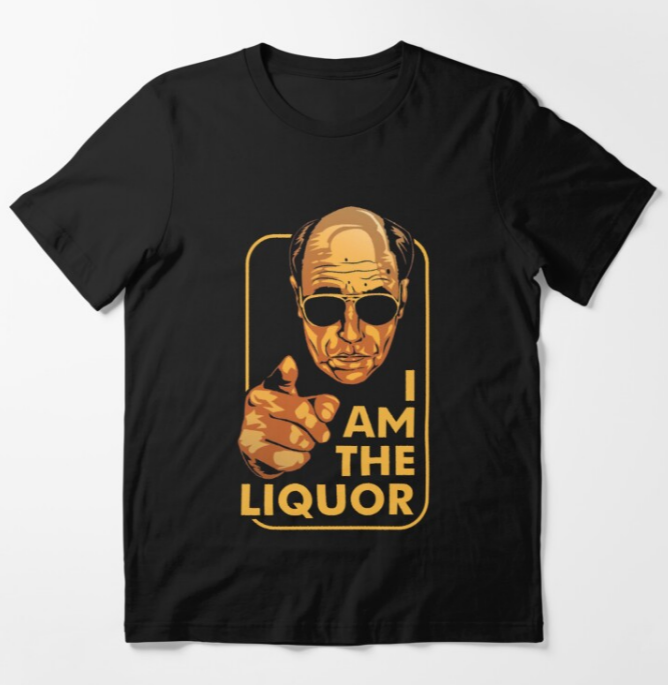
Another huge reason behind the animated shift was the death of John Dunsworth, the actor who played Jim Lahey.
Lahey wasn’t just another side character; his absence deeply affected fans, making the animated shift feel like a meaningful tribute to his legacy.
Animation gave the creators more flexibility. They were still able to include Lahey in some form, using archived voice recordings and animated appearances as a tribute to Dunsworth.
Instead of trying to immediately continue the same live-action formula after losing one of the most iconic characters in comedy TV history, animation worked almost like a creative reset button.
Animation Let the Show Become More Extreme

The original Trailer Park Boys always had wild comedy, but it was still grounded in reality. The mockumentary style made everything feel weirdly believable, even when Ricky was burning down trailers or Julian was pulling off terrible criminal plans.
Once the series became animated, the writers could push things way further.
That freedom was clearly intentional. The creators leaned hard into absurd cartoon humour, exaggerated action, and impossible situations. Fans noticed the difference immediately. Some loved it because it felt fresh and unpredictable. Others thought it lost the grounded charm that made the early seasons special.
The animated format basically removed all limits. The boys could survive insane accidents, travel into surreal fantasy situations, and pull off storylines that would never fit the original documentary-style realism.
There Were Also Production Reasons

Behind the scenes, animation probably made practical sense, too.
By the time the animated series launched in 2019, the actors were getting older, the original series had already run for many seasons, and the franchise had expanded into movies, specials, live tours, podcasts, and SwearNet content.
Animation allowed the franchise to keep going without the need for constant physical filming schedules or expensive live-action production setups.
Ironically, animation itself turned out to be more expensive than some fans expected. According to discussions among fans and podcast mentions, the creators reportedly financed much of the animation work themselves, while Netflix mainly distributed the finished product. Some fans believe the high production costs were one reason the animated version slowed down later.
Some Fans Loved It — Others Absolutely Hated It
The animated series split the fanbase pretty hard.
Many fans appreciated the change as a fresh take, while others felt it lost the show’s original charm, underscoring the diverse reactions within the fanbase.
Other fans thought the animation completely changed the show’s soul. One of the biggest criticisms was the loss of physical comedy. Trailer Park Boys was built around awkward real-life interactions, drunk fights, shopping cart crashes, and Ricky destroying everything around him in live action. That energy does not translate perfectly into cartoons.
A common opinion among longtime viewers is that the animated series feels more like a bizarre spin-off than a true continuation of Seasons 1–7.
The Animated Series Was Never Meant to Replace Live Action Fully
One thing many people misunderstand is that the animated version was not necessarily meant to replace the original live-action show permanently.
The creators continued making other live-action projects afterwards, including Trailer Park Boys: Jail and various SwearNet specials.
In fact, fan discussions over the years suggest the creators always viewed the animated storyline as part of the mushroom hallucination arc that began in Season 12. Some fans even mention plans for future episodes, explaining the boys finally “coming down” from the hallucinations.
Instead of replacing the live-action series, the animated version served as a creative detour, allowing the franchise to survive during a challenging transition and clarifying its role within the overall story arc.
Why the Animated Version Actually Makes Sense
Looking back now, the move to animation makes a lot more sense than it did at first.
The franchise had already been running for nearly two decades. One of its most important actors had passed away. The creators needed a way to keep the series alive while still staying true to the insane humour fans expected.
- Animation gave them freedom.
- Freedom to get crazier.
- Freedom to experiment.
- Freedom to continue after Lahey.
- Freedom to avoid the limitations of ageing actors and expensive live-action production.
Whether fans loved it or hated it, the animated era kept Sunnyvale alive instead of letting the franchise quietly disappear.