

If you asked most people to describe their ideal comfort show, you’d probably get something gentle, soothing, and emotionally safe—shows that wrap you in a warm blanket of predictability and kindness.
Trailer Park Boys doesn’t tick any of those boxes on paper. It’s loud, messy, morally questionable, and built on a foundation of terrible decisions. And yet, for a surprising number of people, it’s the show they reach for when they’re tired, stressed, or need something that feels real.
That’s the paradox of Trailer Park Boys: it’s the chaotic‑good comfort show. It’s not comforting because it’s calm. It’s comforting because it’s honest, weird, and weirdly loyal to its characters and its audience. It makes you laugh at the dumbest life choices on the planet, and then somehow makes you feel less alone for having your own dumb life choices.
What makes a show “comfort” anyway?

Most comfort shows follow a familiar pattern:
- Reassuring storylines that wrap up neatly.
- Characters who are generally kind, smart, or at least trying their best.
- A sense that, by the end of the episode, things are probably going to be okay.
Trailer Park Boys flicks that script out the window. Its characters are often selfish, irresponsible, and caught up in schemes that spiral out of control. The show doesn’t promise a happy ending; it often promises a messy one. Yet people still turn to it when they’re burned out or need something to watch.
The reason it still qualifies as a comfort show is that it’s comfort in a different flavour. Instead of soft and warm, it’s chaotic and raw. Instead of offering reassurance that everything is fine, it says, “Nothing is fine, and that’s okay.” It’s comfort for the people who find relief not in perfection, but in honesty.
The quiet loyalty beneath the chaos
On the surface, the show is all about bad decisions: scams, schemes, misunderstandings, and occasional run‑ins with the law. But underneath that, there’s a surprising level of loyalty that keeps drawing people back. Ricky, Julian, and Bubbles are a strange triangle, but they stick with each other through the worst of their own stupidity.
That dynamic makes the show feel comforting in a way that most narratives don’t. It’s not about polite, picture‑perfect friendships. It’s about the kind of bonds that survive bad choices, missed deadlines, and half‑sane plans. It’s the kind of friendship where people keep showing up, even when they probably shouldn’t.
For viewers who’ve been through messy relationships, questionable friendships, or chaotic family dynamics, that loyalty feels validating. It doesn’t glorify dysfunction. It just acknowledges that people can be deeply flawed and still genuinely care about each other. That kind of honesty is oddly soothing.
Humour that doesn’t take itself seriously
Most scripted comedy balances humour with a little bit of gravity. Trailer Park Boys throws gravity out the window and lets the humour run wild. It’s loud, self‑deprecating, and deeply absurd. The jokes aren’t subtle, and the punchlines aren’t always moral, but they’re undeniably human.
The show’s humour works like a pressure release. It lets you laugh at people who are doing everything wrong, and then quietly reminds you that you’ve probably done a few things wrong too. Instead of making you feel judged, it makes you feel like you’re part of the same club of people who are just trying their best (and failing).
That kind of humour is comforting because it lowers the bar for perfection. It says, “You don’t have to be a great person, a productive person, or even a remotely responsible person to be funny, interesting, and lovable.” It’s a show that lets you feel like you can be a mess and still be okay.
A strangely grounding sense of realism

On paper, Trailer Park Boys is a wild fantasy. Schemes constantly go wrong, authorities are rarely effective, and the characters keep stumbling their way through life. But there’s a strange realism baked into the show’s DNA.
The characters don’t live in a world where every problem has a tidy solution. They don’t live in a world where success comes from the right motivational quote or the perfect career choice. They live in a world where people make bad choices, barely get by, and still keep going. That’s a version of reality that feels intimate, even if it’s exaggerated for comedy.
For viewers who feel like they’re barely keeping up with life, that kind of realism is comforting. It’s like the show is quietly saying, “You’re not alone in feeling like you’re on the edge of chaos.” It doesn’t offer a magical fix. It just offers a mirror that feels familiar.
The “garbage day” energy that makes it feel special
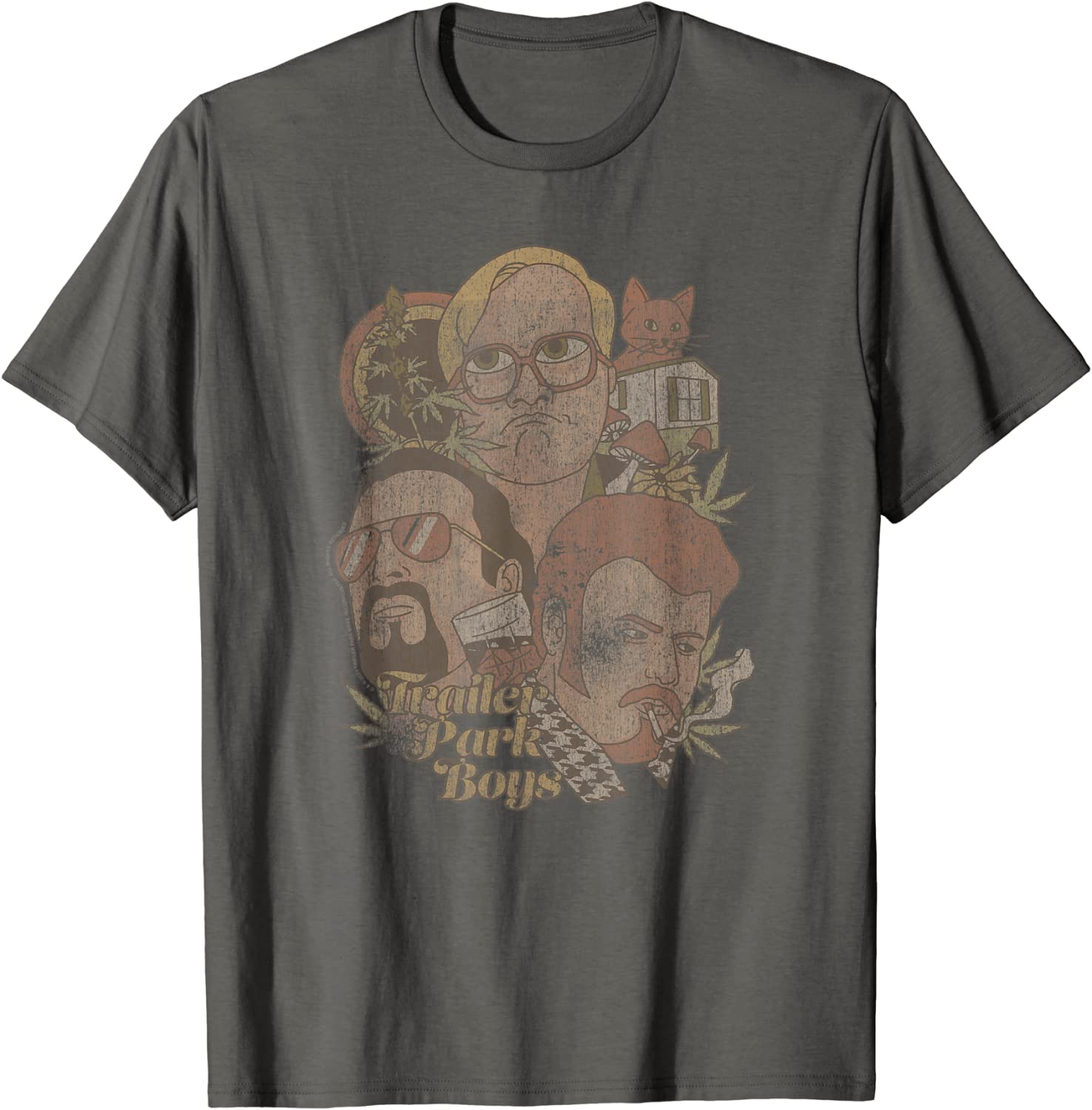
If you pay attention to the show, it soon becomes clear that part of its charm lies in its garbage-day energy. Everything feels a little broken, a little messy, and a little unlikely to work out, and yet it usually does in some weird, sideways way.
That’s reassuring because it trains you not to consider anything inevitable. You begin to see the show less as a story of perfect plans and imperfect execution, and more as a story about people who are too stubborn to give up on their own decisions, even when those same decisions make everything worse. It’s a reminder that life needn’t be smooth to come along still.
In an era when the pressure to be successful, productive, and polished is at an all-time high, Trailer Park Boys acts as a sort of protest against it. It’s a series about stubbornness and loyalty, as well as those weird, chaotic bonds that bring people close together. It’s comforting because it doesn’t aim for aspirational. It’s just trying to speak the truth.
How it creeps into your routine
Most comfort shows settle into your life: You rewatch them, you binge them, you spout lines without thinking. Trailer Park Boys is similar but more chaotic. You don’t put it on for background noise. You end up noticing the dialogue, the little details, the running jokes, and character quirks.
That kind of engagement makes it feel like a personal ritual instead of a generic pastime. You start watching it when you’re tired, alone, or in a weird mood and don’t feel like being “on.” It becomes the show you reach for when you want to feel like you’re in a familiar, slightly dysfunctional world that still treats you like a friend.
Why does it work as a comfort show for different people?
Not everyone finds comfort in the same way. Some people want gentle, serene stories. Others want action‑packed escapism. Trailer Park Boys occupies a niche for people who find comfort in chaos. It’s for people who prefer:
- Stories that don’t feel polished or sanitised.
- Characters who are deeply flawed but still lovable.
- A sense of humour that doesn’t shy away from the absurdity of life.
It’s not a show that pretends to be perfect. It’s a show that embraces the fact that life is messy, people are complicated, and sometimes the best you can do is laugh at your own mistakes. And if that’s the kind of comfort you need, it’s the kind of show that feels like home.
Bringing the chaotic‑good vibe into your own life
If Trailer Park Boys is a comfort show to you, it’s largely because of how it balances chaos with loyalty, humour with honesty and dysfunction with heart. That’s the kind of vibe you can riff off in your own life, although God knows you’re not going to copy exactly what happens on the show.
You can:
- Accept that some days will feel chaotic, and that’s okay.
- Let your relationships be messy, but still show up when it counts.
- Laugh at your own bad decisions instead of beating yourself up for them.
At its core, the show is a reminder that being a mess doesn’t mean you’re broken. Sometimes it just means you’re alive, flawed, and stubbornly trying to keep going. And if that’s the kind of comfort you’re looking for in a show, you’re already living the same chaotic, weird, and oddly hopeful life that Trailer Park Boys makes so hard to resist.